One Stop Eye Care for Clear Vision
Wide range of Ophthalmic services using State-Of-The-Art equipments by best ophthalmologists at a reasonable cost
Book An AppointmentWide range of Ophthalmic services using State-Of-The-Art equipments by best ophthalmologists at a reasonable cost
Book An Appointment

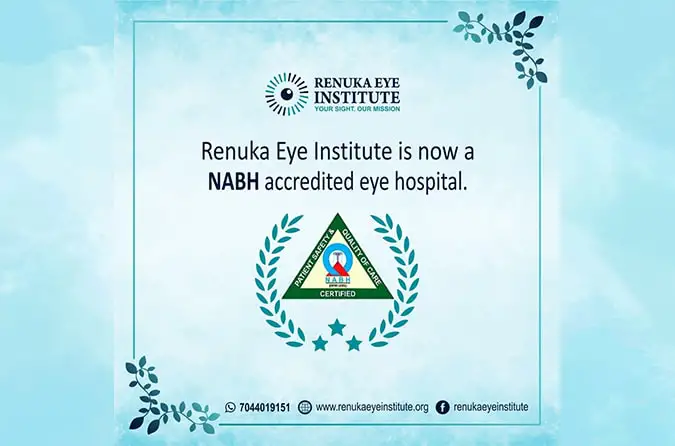

Welcome to Renuka Eye Institute, a trusted name in eye care services in Kolkata. Recognized as one of the best eye hospitals in Kolkata, we are committed to providing world-class diagnostics and surgical solutions. Whether you're searching for a leading eye hospital near me or need a comprehensive eye clinic near me, we’re here to help.
Our easily accessible, multi-location branches of Renuka Eye Institute, rank among the top 10 eye hospitals in Kolkata, offering personalized care and advanced ophthalmic technology. From regular check-ups to complex surgeries, our specialists ensure optimal treatment outcomes. Our team of cataract surgeon, glaucoma specialist, retina specialist, paediatric ophthalmologists, and other specialists bring years of experience in treating a wide range of eye conditions.
Experience compassionate, precise and affordable eye care services in Kolkata for all your vision needs.
Renuka Eye Institute serves its patients with a comprehensive Advanced Eye Care treatment suite such as Cataract, Vitreo-Retina, Glaucoma, Oculoplasty, Cornea and Contact Lens, Comprehensive Eye Checkup, Medical Retina, Diabetic Eye Care, Paediatric Ophthalmology, Neurophthalmology, Uveitis, Low Visual Aid, Optometry. Each department is backed up by professional expertise. To provide the highest quality of eye care is our only goal. In our continuous effort to provide compassionate and highest quality eye care, it is our privilege to invite you to partner with us in this journey and feel the difference.

Serving humanity for better vision with compassionate care
Treating every eye disease with highest level of expertise

Deliverying excellence in 200000+ successful surgeries
Using ultra modern State-Of-The-Art ophthalmic equipments

Immediate hassle free eye care within reach of patients
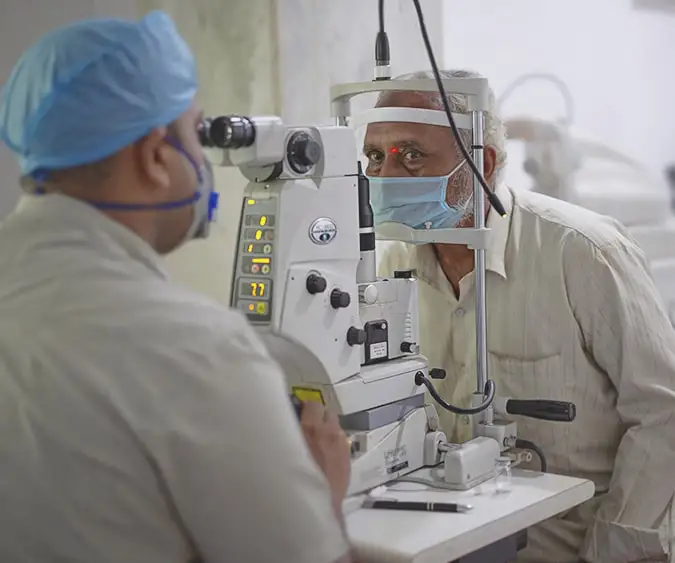
Considering Comprehensive Eye Care under one roof, Renuka Eye Institute is serving under Government Health Schemes, empaneled with a host of Insurance companies, Third Party Administrators and having corporate tie-ups.



Cataract Surgeries
OPDs / Day
Retinal Procedures
Oculoplasty Surgeries


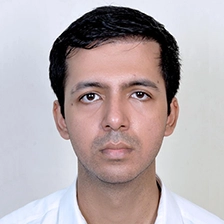
MS (OPHTHALMOLOGY)FICO, FAICO (VITREO RETINA),FVRS , MRCS (EDINBURGH) ,FRCS (GLASGOW)
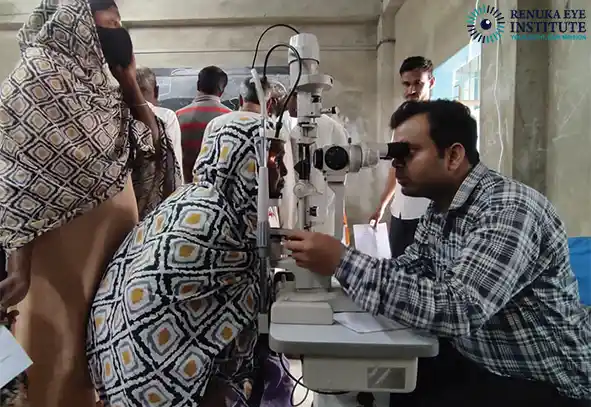
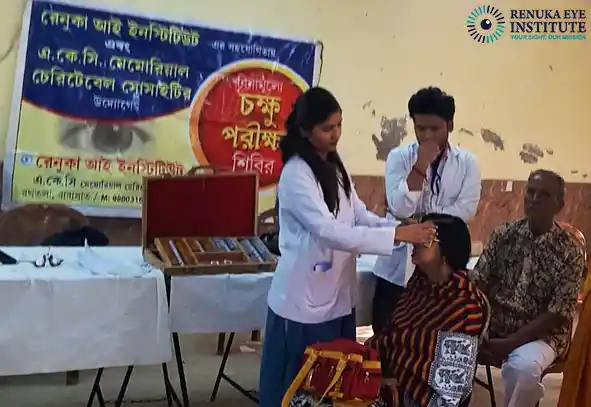



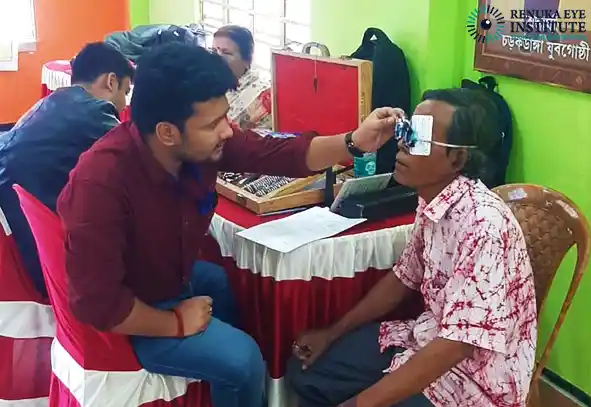
"An unforgettable experience for an simple eye check up."
"Never expected the ease of hassle free cashless process"
"All measure for COVID-19 was up to the mark"
"Best alternative doctors for neuro ophthalmology"
Modernized Eye Care Information
Facial balancing in oculoplasty is a comprehensive, non-surgical approach that uses a combination of injectables—such as dermal fillers and neuromodulators (Botox/Dysport)—that improve harmony between the eyes and surrounding facial features. It may include treatments around the eyelids, brows, and mid-face to create a more symmetrical and natural-looking appearance.
Pink eye, or conjunctivitis, can be caused by viruses, bacteria, allergies, or irritation, and the fastest, most effective treatment depends on the cause. While most viral pink eye resolves on its own in 1–2 weeks, bacterial pink eye can be cured in 2–5 days with prescription antibiotic eye drops.
Keratoconus is a progressive eye condition where the cornea thins and bulges into a cone-like shape, causing blurred or distorted vision. It usually affects both eyes and can worsen over time if not treated.Symptoms: Blurred or distorted vision, increased sensitivity to light, frequent changes in eyeglass prescription, and difficulty seeing at night.Treatments: Early stages are managed with glasses or contact lenses. Advanced cases may need corneal cross-linking, Intacs implants, or corneal transplant to restore vision and strengthen the cornea.
The best treatment for squint eyes depends on the individual's age, severity, and cause. corrective glasses or lenses can be used for squint treatment, Beside this eye exercises, patching the stronger eye, and in more advanced cases, eye muscle surgery can be done. Generally a combination of these methods is often recommended, by an ophthalmologist as per the requirements.
Follow the 20-20-20 rule—every 20 minutes, look at something 20 feet away for 20 seconds—and adjust brightness and contrast to match your room lighting. Set your screen slightly below eye level, about an arm’s length (20–24 inches) away, and reduce glare with proper lighting or anti-glare screens.Use ergonomic chairs.