The atmosphere of Kolkata is favourable for spreading eye infections, such as conjunctivitis and keratitis. Here, these infections are very common but should never be ignored because they can lead to serious eye diseases. At Renuka Eye Institute, a premier eye hospital in Kolkata, we frequently treat patients with these infections. We are here to guide you in understanding conjunctivitis and keratitis and managing them easily for healthy vision.
What is Conjunctivitis?
It is a widespread eye condition that affects children as well as older people. It directly affects the conjunctiva, which is a thin and transparent membrane covering the white part of the eye and causes inflammation and discomfort in the eyes.
Types and causes
This disease has the following types based on causes:
- Viral: It is the most common and highly contagious form that is caused by viruses, with the common cold.
- Bacterial: This contagious form is caused by bacteria.
- Allergic: This non- contagious form is developed in people who have allergic conditions.
- Chemical: It's not contagious and is caused by exposure to chemical pollutants.
Why is Conjunctivitis called “Joy Bangla” & “Pink Eye”?
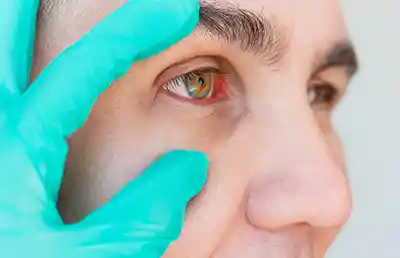
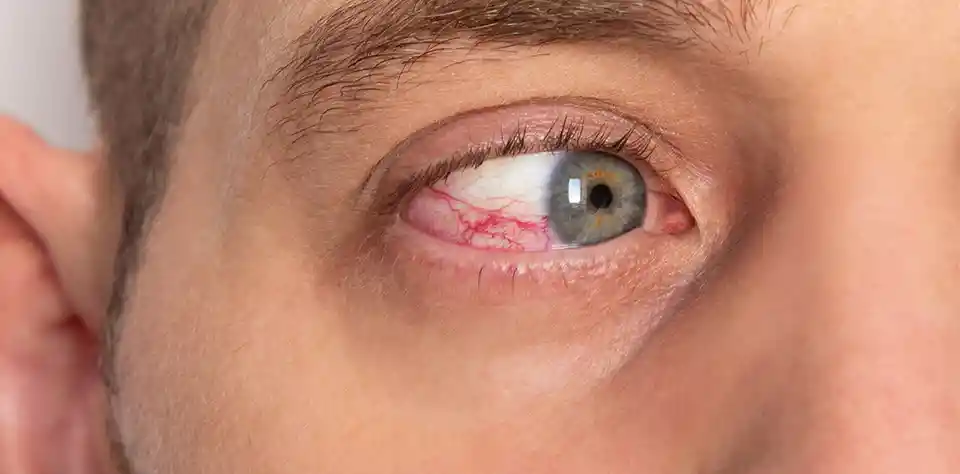
It is colloquially called “joy bangla disease” in West Bengal, due to a severe outbreak of the infection that coincided with the Bangladesh Liberation War in 1970-71. This infection led to an epidemic then, and the term “Joy Bangla” was the historical slogan of that movement. It is also called the “pink eye” because its inflammation in the conjunctiva causes the white part of the eye to look pink.
What is Keratitis?
It is a common eye infection which affects the cornea, the clear and dome-shaped surface that covers the front of the eye. It causes mild irritation to severe pain that can threaten our vision.
Types and causes
It has the following types based on causes.
- Bacterial: This rarely contagious form is caused by bacteria.
- Viral: It is caused by viruses and is moderately contagious.
- Fungal: This non- contagious form is caused by fungi.
- Parasitic: This rare and non- contagious form is caused by parasites.
- Non-infectious: This may be caused by injury, dry eyes, allergic reaction, and UV exposure.
Understanding the condition when Conjunctivitis and Keratitis strike together
What is Keratoconjunctivitis?
While conjunctivitis affects the conjunctiva and keratitis affects the cornea differently, in some cases, an infection can simultaneously affect both parts, resulting in similar symptoms. This combined problem is known as keratoconjunctivitis in ophthalmology, and it requires immediate medical attention to prevent serious eye complications. It can pose a higher risk to your vision if left untreated.
How do they spread?
- Physical contact with infected persons and their eye discharges.
- Using personal items of infected people.
- Touching eyes without cleaning hands.
- Living in crowded environments.
- Caring for contact lenses improperly.
- Using unsterilised medical instruments.
- Using contaminated water.
- Exposure to allergens and pollutants.
- Eye injuries and trauma.
Symptoms
- Redness and pinkish eyes.
- Itching and irritation.
- Burning sensation.
- Watery, sticky yellow and green discharge.
- Crusting of eyelashes.
- Headache.
- Swollen eyelids.
- Blurry vision.
- Sensitivity to light.
- Foreign body sensation.
- White or gray spot on the cornea.
Serious eye complications related to them
Generally, they are resolved with proper care. But in some cases, they can lead to the following serious eye diseases if not managed promptly.
- Corneal Ulcer
- Chronic Conjunctivitis
- Corneal Scarring
- Blepharitis
- Preseptal Cellulitis
- Orbital Cellulitis
- Corneal Perforation
- Secondary Glaucoma
- Endophthalmitis
Comprehensive treatment
Proper treatment is essential for these problems, whether through home or clinical care, because ignoring them can lead to vision loss.
Home care
Effective Practices:
Some mild cases can be cured by the following home remedies, but these should be done according to the eye doctor’s instructions:
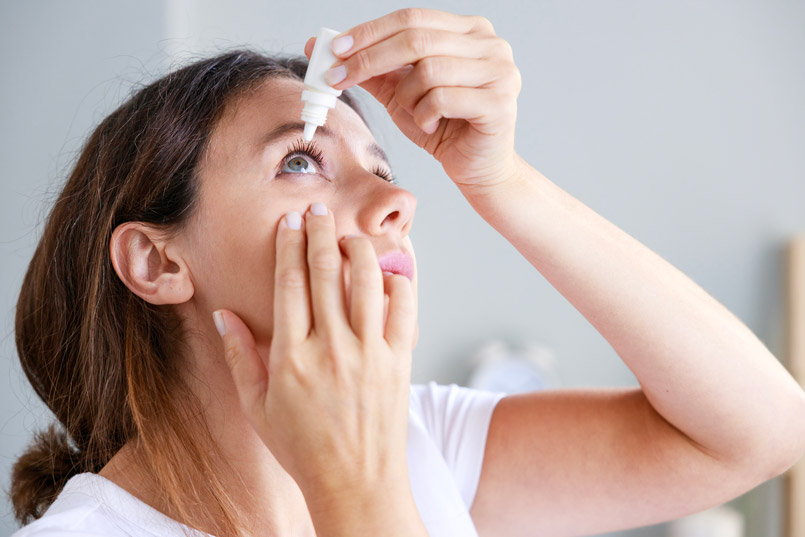
- Use eye drops
- Wash hands before touching eyes
- Gently clean eyes with cold water and sterile cotton
- Maintain eye rest
- Use cold and warm compresses
- Drink sufficient water
- Use protective eyewear
- Stop wearing contact lenses
Harmful Practices:
In home care, many people follow superstitious practices, which can worsen the conditions. Avoid the following practices:
- Putting breast milk, saliva, honey, and others into the eyes
- Applying cosmetics and other things
- Tying cloth or leaves around the eyes
- Using leftover or unprescribed eye drops
- Ignoring symptoms by thinking it will heal itself
- Visiting an unqualified healer instead of an ophthalmologist
Clinical care
Time to Visit an Eye Doctor:
Home remedies are not enough for some serious cases. You have to visit an eye hospital if you experience:
- No improvement after 4-5 days
- Severe eye pain
- Excessive discharge
- High sensitivity to light
- Difficulty in vision
- Conjunctivitis and keratitis in newborn babies
Eye test
Here, an eye doctor performs the following eye exams to detect the infection, whether it may be conjunctivitis, keratitis or keratoconjunctivitis, for effective treatment.
- Visual Acuity Test
- Eye Discharge Evaluation
- Slit Lamp Examination
- Fluorescein Staining Test
- Corneal Scrapings / Culture
Medical treatment:
After proper diagnosis, eye specialists perform the following effective procedures to treat these infections and preserve vision:
- Eye drops
- Oral pills
- Artificial tears
- Injection
Prevention
These eye infections can be avoided by maintaining the following preventive care:
- Wash hands before touching eyes
- Avoid touching and rubbing eyes frequently
- Don’t come close to infected persons and their personal items
- Use masks and hand sanitisers
- Wear protective glasses
- Avoid contaminated water
- Take proper care against common cold infections
- Consult with eye doctors
- Avoid contact lenses and cosmetics
- Manage allergies and diabetes
- Drink sufficient water and eat nutritious food
People who are at risk
- Members of the family with infected persons
- Healthcare workers
- Individuals in a crowded environment
- People with weak immunity
- Children and elderly people
- Contact lens and cosmetics users
- People with frequent allergies and common cold infections
- Persons recovering from chronic eye diseases and other infections
- User of contaminated water
- People with eye injuries
- Worker exposure to dust and chemical pollutants
Difference between Conjunctivitis & Keratitis at a glance:
| Feature | Conjunctivitis | Keratitis |
|---|---|---|
| Affected part | Conjunctiva | Cornea |
| Pain | Mild | Moderate to severe |
| Vision | Slightly blurred | Often fully blurred |
| Severity | Common problem | Can threaten vision |
| Contagious | Sometimes highly | Low or rarely |
Similarities at a glance
| Feature | Conjunctivitis & Keratitis |
|---|---|
| Redness in the eyes | Both cases |
| Tearing | Common symptoms |
| Inflammation | Involve in both conditions |
| Causes | Bacterial and viral infections |
| Treatment | Medical attention is needed for them |

These complications may be common, but your eyes deserve the best care because they promote discomfort and disruptiveness to vision. Top eye specialists at Renuka Eye Institute, one of the best eye hospitals in Kolkata, are always ready to provide consultation and personalised care for fast and comfortable healing. Don’t waste time and book an appointment today to ensure safe and healthy vision.