
Link between the digital device and the eyes
In today's digital era, we cannot think of daily life without digital devices (computers, laptops, smartphones, tablets, TVs, and others). It's very common for anyone to spend some hours looking at screens daily for work, education and entertainment in our digitally dominated society. This revolution has significantly enhanced our lifestyle. These electronic devices can also take a toll on our eyes. The prolonged exposure to blue light from the screens can affect the eyes and cause many complications.
How does the blue light of a digital screen affect the eyes?
These screens emit a high-energy visible blue light like the harmful UV rays. While working on a screen closely, exposure to this blue light of shorter wavelengths passes directly through the cornea and causes dryness and damage to tiny muscles and nerves in the eyes by reducing eye blinking and moisture. Continuous absorption of this light causes many vision complications, which are called Digital eye strain or Computer vision syndrome.
What is Digital eye strain(DES) or Computer vision syndrome(CVS)?
Digital eye strain, also defined as Computer vision syndrome, is a growing concern in this digital world. It is an unpleasant sensation caused by disturbances in vision from prolonged use of these devices. Actually, it's a group of vision discomforts that result from extensive exposure to blue light. Though both the words (DES & CVS) can be used interchangeably for many similarities, there is a slight distinction between them. Let's see the comparisons-
| Subject | Digital eye strain | Computer vision syndrome |
|---|---|---|
| Devices | All electronics screens | Only computers & laptops |
| Affected organs | Eyes only | Eyes, neck, shoulder and backbone |
| Visual effects | Temporary discomforts | Chronic and serious problems |
Symptoms of digital eye strain
Frequent electronics gadget users experience many symptoms of this vision disorder, which symbolises that their eyes need attention to prevent vision discomfort. The symptoms are-
- Fatigued eyes
- Dryness and irritation in the eyes
- Blurred vision
- Burning Sensation
- Headaches
- Watery eyes
- Refocusing difficulty
- Red eyes
- Blinking problem
- Light sensitivity
- Insomnia
- Neck, shoulder and back pain
Eye diseases related to electronic devices
Prolonged screen time can lead to various eye diseases, ranging from general to chronic or serious diseases if not treated promptly. The diseases are-
- Dry eyes
- Near-sightedness (Myopia)
- Farsightedness (Hyperopia)
- Age-Related Macular Degeneration (AMD)
- Retinal Stress and Phototoxicity
- Glaucoma
People at risk of computer vision syndrome or DES
In this technologically developed era, the following people are at high risk of these eye problems-
- Diabetic macular edema (DME):
- Office professionals:
- Students:
- Children:
- Youth:
- Elderly persons:
It develops when retinal blood vessels leak fluid into the macula in the inner eye and cause cloudy vision.
The office workers( IT, Data entry operators, call centre, Banking and others) who use digital screens for 6-12 hours per day in high mental concentration without adequate breaks.
They perform daily engagement on the devices for a long time for online education and entertainment.
Our children(from toddlers to teenagers) are getting attracted to digital screens for entertainment and education. This habit may cause problems in their eyes in the near future.
Those who are addicted to social media, online gaming, online education and virtual entertainment.
Electronics gadget users with existing eye conditions(Cataract, diabetic retinopathy, glaucoma, AMD and others) or who have had previous eye surgeries and injuries are included in this list.
Diagnosis for digital eye strain or CVS
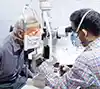
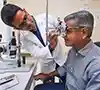
Early detection is crucial to protect vision from digital eye strain. Generally, eye specialists conduct comprehensive eye examinations to diagnose these screen-related eye complications. The digital eye strain screenings are:
- Detailed Eye Checkup
- Digital Screen Usage Analysis
- Tear Film Test
- Refraction Test
- Blink Rate Assessment
- Visual acuity test
Treatment
Usually, eye specialists start the treatment according to the symptoms of these types of underlying eye conditions. They prescribe blue-coated glasses, dry eye drops, medicines, lenses and vision therapies for removing this computer vision syndrome. Ophthalmologists in an eye care centre suggest adjusting screen habits and maintaining preventive care in daily life to save sight.
Prevention
Prevention is the most important part of digital eye strain healing because it stops the development before it becomes severe by reducing discomfort. Eye doctors advise following preventive care to prevent this problem by making the optical muscles and nerves relaxed, flexible, comfortable and moist.
Adjust screen time:
The perfect way to decrease the risk of developing this vision disorder is to limit daily screen time.
Practice 20-20-20 Rule & Break:
People have to take a break after every 20 minutes and focus on an object 20 feet away for 20 seconds when using the screens. It's essential to take a short break every 60 minutes from screens.
Follow the elbow rule:
An elbow-to-wrist distance(less than 20-50cm) should be maintained between the devices and the eyes.
Blink more often:
Blinking is important to keep the eyes moist and refreshed. People have to make a conscious effort to blink naturally while working on screens.
Proper light in an ergonomic workplace:
Effective physical posture before screens in an ergonomic workplace setting with soft light decreases the risk of these visual conditions by making the eyes more comfortable and easier during the screen hours.
Change screen setting:
The device users have to turn the settings of the device by matching the screen's contrast, brightness and increasing text size. These simple attempts can create an eye-friendly viewing experience.
Use blue-coated glasses:
Using blue-coated computer glasses is a game-changer to save vision because they filter harmful blue light, minimise glare and sharpen focus to make screen time comfortable.
Eye exercise:
Gentle and simple eye exercise, including slow eye rolling in a circular shape, focusing on distant objects, and shifting focus from near to far points, can save the eyes from these screen-related vision problems.
Eye checkups & consultation:
Regular eye exams and consultation with eye doctors are vital for detecting early and treating digital eye strain effectively.
Outdoors and physical activity:
Spending a certain time in green outdoors can reduce digital eye strain. Regular physical activity, especially in the outdoors, keeps eyes strong by reducing stress and eye pressure.
Good sleep:
A good sleep(nearly 8-10 hours/night) can protect vision by improving visual comfort and decreasing inflammation. Besides this, try to avoid thef gadgets just before and after sleep.
Drink water:
Drink sufficient water to prevent digital screen-related problems by maintaining tear production and reducing dryness.
Fruits and veggies:
A balanced diet with enough fruits and vegetables can make the eyes powerful to fight against the challenges that are developed from the screens.
Special care for children and youths:
Encourage the teenagers and youths to spend most of the time outside of digital screens by reducing the addiction to protect their vision for the future. Consult with a pediatric eye doctor to save their small eyes.
Conclusion
In this modern age, it's impossible to avoid electronic devices completely, but we have to be mindful of their effect on vision. We can mitigate the visual discomfort of digital eye strain and enjoy the benefits of technology by adopting healthy eye care, according to eye specialists. Comprehensive eye tests regularly and complete guidance by an experienced and qualified eye doctor are needed to protect vision from the screen-related vision challenges. If you or your dear ones are experiencing any symptoms, make an appointment at Renuka Eye Institute, the prime eye hospital in Kolkata, for effective consultation with the dedicated eye care professionals for preserving vision in today's technology-filled world.