We have all heard that eye exercises can improve vision or even cure different eye diseases. But most people commonly ask, “Do eye exercises really improve vision, or is it just a popular myth?” Generally, the question is asked when they look for natural ways to protect their sight from digital eye strain, lifestyle-related eye conditions and others. Sometimes, many people start eye exercises in the hope of finding a quick and effective solution without knowing the truth. In some cases, it can lead to a waste of time and delay eye treatment or even cause adverse effects on eye health. As a leading eye hospital in Kolkata, Renuka Eye Institute aims to separate fact from myth through this blog. It will inform you what eye exercises can and cannot do for your eyes.
What are eye exercises?
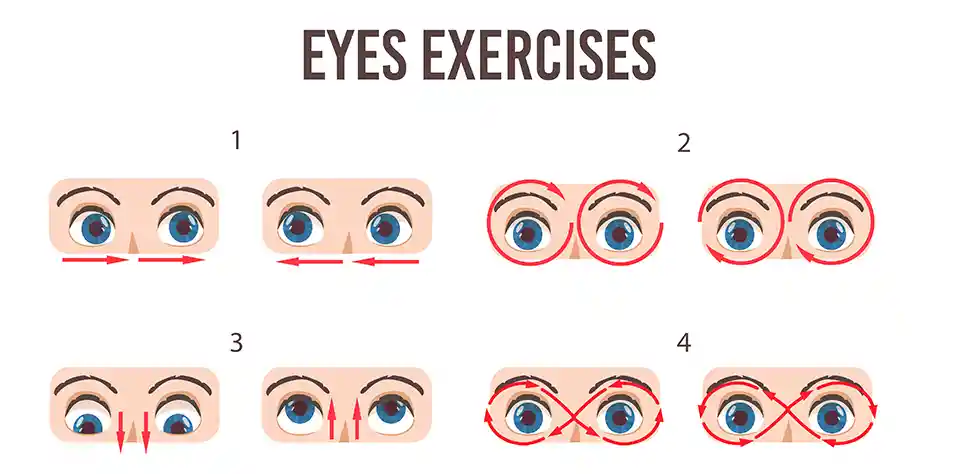
They are simple but effective practices involving careful eye movements and focusing techniques to keep eyes active and strong. In this fast-paced digital era, exercises are becoming popular among people as natural remedies for various eye complications. They are:
- Blinking practice
- Eye resting
- Palming
- Near–Far Focus
- Pencil push-ups
- Focus holding
- Eye rolling
- Directional Viewing
- Figure Eight
- 20-20-20 Rule
- Side-to-side tracking
How do eye exercises work?
Eye exercises improve vision by training the eyes to function more actively in every situation. Through repetitive movement (Shifting sight, focusing on objects at different distances, rolling eyes and squeezing eyelids), regular exercises improve the coordination and flexibility of the muscles and help the eyes to sustain clear vision for the future.They are effective for managing only common visual disorders but are not effective as substitutes for medical care in the treatment of serious eye diseases.
Benefits
Key advantages of regular eye exercises are:
- Reduction of eye strain
- Strengthening the weak muscles
- Improving blood circulation
- Enhancing the focusing ability
- Reduction in sensitivity to light
- Enhancing coordination between both eyes
- Delivering a supportive role in vision therapy
Diseases managed by eye exercises
It's important to note that exercises are useful only for some limited functional vision conditions where the problem is focusing, coordination and casual habits. The complications are:
- Digital eye strain(computer vision syndrome)
- Dry eyes
- Amblyopia(lazy eyes)
- Squint (strabismus)
- Fatigued eyes
- Accommodative dysfunction
- Convergence insufficiency
Diseases not cured by eye exercises
Exercises can not fix or treat serious and structural eye diseases because they are not able to work on the underlying damage or changes. Ophthalmological treatment plan (corrective lenses or glasses and surgery) is required for effective management of such diseases. But in some cases, eye specialists recommend exercises for the following diseases in the treatment plan as a part of vision therapy, offering an important supportive role.
- Refractive vision errors(myopia, hyperopia and astigmatism)
- Age-related vision disorders
- Cataracat
- Glaucoma
- Retinal diseases
- Keratoconus
- Conjunctivitis and keratitis
- Corneal problem
Common mistakes in eye exercises
Ophthalmologists recommend exercises to support overall visual comfort, but they should be performed by avoiding the following mistakes to gain maximum benefits without risks
- Irregular practice
- Overdoing exercises
- Following incorrect techniques
- Ignoring underlying issues
- Lacking supervision in children who are performing
- Without taking advice from eye experts
Who needs to practise eye exercises?
- People with heavy screen time
- Students and office workers
- Persons with focusing issues
- Patients undergoing vision therapy
- Men and women with common vision discomforts
- Children with misalignment of eyes
Myth vs. fact at a glance:
| Misconception | Truth |
|---|---|
| Eye exercises can cure all vision problems | They cannot cure structural eye diseases |
| Eye exercises can remove the need for glasses | Regular exercise cannot replace glasses and lenses |
| They can improve vision instantly | They only provide gradual improvement in comfort and coordination |
| Eye exercises are useless | They are helpful for many common vision complications |
| Eye exercises are only for eye patients | They can be practised by anyone to maintain better vision |
Understanding the facts about eye exercises can help you keep your vision healthy. Only an eye specialist can guide you on when exercises help and which exercises your eyes need. If you need recommended eye exercises and the right procedure, the ophthalmologist team of Renuka Eye Hospital is always ready to help you for optimal results. See beyond the myths, make an appointment today with Renuka Eye Institute and let our expert team deliver comprehensive eye care solutions.