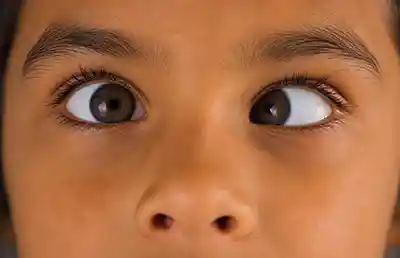

A change in the shape of the cornea causes different eye problems, such as keratoconus. Many people are unaware of keratoconus, and this lack of awareness allows the condition to steal our vision. At Renuka Eye Institute, the best eye hospital in Kolkata, we treat many patients with keratoconus effectively every year. This blog will help you in understanding and managing this condition to ensure a bright vision.
What is keratoconus?
It is a progressive vision disorder in which the normally round-shaped cornea thins and bulges outward into a cone-like shape. It is generally seen at puberty or progresses into the mid-30s, as well as in early childhood and old age. It usually affects both eyes, though one eye may be more impacted than the other.
How does it affect the eyes?
The cornea is a clear and dome-shaped frontal layer of the eye, which helps to focus light on the retina for clearer vision. When its smooth and regular shape changes, light becomes scattered and fails to focus correctly, causing this dangerous problem.
Causes
According to ophthalmology, the definitive cause of this disease is not fully known till now, and research is still going on. The following causes are believed to be responsible:
- Perform eye tests to detect diseases.
- Eye rubbing habit
- Genetic predisposition
- Weak corneal structure
- Hormonal changes
- Chronic eye inflammation and allergies
- Prolonged UV exposure
- Eye injuries
- Oxidative stress in the cornea
- Different syndromes (Down, Ehlers-Danlos, Marfan, and retinitis)
- Smoking and alcohol habits
- Malnutrition
Types
Based on Corneal shape:
- Nipple cone
- Oval cone
- Globus cone
- Central cone
- Inferior cone
Based on severity:
- Mild
- Moderate
- Advanced (severe)
- Acute (hydrops)
Symptoms
- Blurred vision
- Difficulty with night vision
- Double vision
- Headache
- Irritation and eye rubbing tendency
- Ghosting of images
Related serious eye diseases
This vision disorder can lead to the following serious eye diseases if left untreated:
- Corneal scarring
- Severe irregular astigmatism
- Corneal perforation
- Corneal hydrops
- Fleischer rings
- Myopia
- Secondary glaucoma
Eye tests
Early detection plays a vital role because treatment for this disease is limited, and timely intervention can slow down its progression. The following eye exams are performed:
- Corneal Topography
- Corneal Tomography
- Pachymetry
- Slit-Lamp Examination
- Visual Acuity Test
Treatment
Here, effective treatment is essential because it can lead to permanent vision loss. Previously, there was no cure for this disease. But through ongoing research and clinical innovation, ophthalmologists are accessing different kinds of treatment options in stopping the progression and improving vision quality. The following procedures are performed on the basis of stage and severity:
- Eyeglasses:In early stages, glasses or soft contact lenses may correct vision by adjusting to the changes in corneal shape.
- Custom contact lenses:In moderate stages, rigid gas permeable (RGP), hybrid lenses, and scleral lenses are used to create a smooth surface over the eyes for improving vision.
- Corneal cross-linking: In this minimally invasive procedure, riboflavin drops and UV light are applied to strengthen the corneal tissues in halting progression in advanced stages.
- Corneal ring implants:INTACS (Intra Stromal Corneal Ring Segments) are small devices that are surgically placed into the cornea to improve vision in severe stages.
- Cornea transplant (keratoplasty):In advanced stages, eye surgeons may replace a defective cornea with corneal tissue from a donor.
- Revital Vision:It is an innovative and non-invasive technology that uses computer-based visual training to enhance the link between the brain and eyes in vision.
- Gene and stem cell therapy:These two therapies are the latest procedures in 2026 to modify or repair the damaged cornea for improving vision.
Prevention & self-care
Complete prevention is difficult, but you can reduce the risk of development and progression by following preventive care, which is also vital self-care for people living with this problem:
- Avoid eye rubbing
- Manage atopic conditions. (allergies, asthma, eczema, etc.)
- Proper contact lens care
- Control dry eyes
- Drink plenty of water
- Maintain a balanced diet
- Regular eye exam
- Consult with eye doctors
- Use protective eyewear
- Limit screen time
- Eye rest and good sleep
- Follow eye hygiene
- Quit smoking and alcohol habits
- Follow eye exercises recommended by eye experts
People who are at risk
- Persons with a family history
- Teenagers and young adults
- Persons with eye-rubbing habits
- People with atopic conditions
- Down syndrome and Ehlers-Danlos syndrome patients
- Marfan and retinitis syndrome patients
- Persons with obstructive sleep apnea
- Smokers and alcohol drinkers
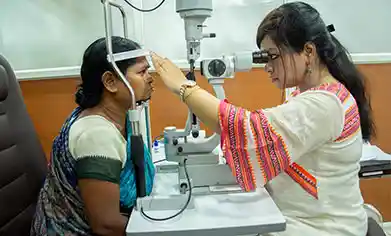
It is a challenging disease, but with advancements in diagnosis and treatment in 2026, managing it is more effective and comfortable than ever. Renuka Eye Institute, a top eye hospital in Kolkata, leads the way in providing advanced care to ensure the best possible outcomes for the patients. Book an appointment with our cornea specialists today to enjoy a better quality of life.