Refractive surgery is a great medical procedure for correcting refractive vision permanently for those who are tired of relying on burdens like glasses or contact lenses to see clearly. In 2026, LASIK (Laser-Assisted In Situ Keratomileusis) and SMILE (Small Incision Lenticule Extraction) are two popular and advanced surgical techniques that have revolutionised vision correction by promoting the freedom from the inconveniences of visual aids. As a leading LASIK and SMILE surgery hospital in Kolkata, we are going to explore the differences as well as similarities between these surgeries clearly in this blog, so you can make an informed choice that is suited for your eyes.
Understanding LASIK & SMILE Eye Surgery
Know everything about LASIK:
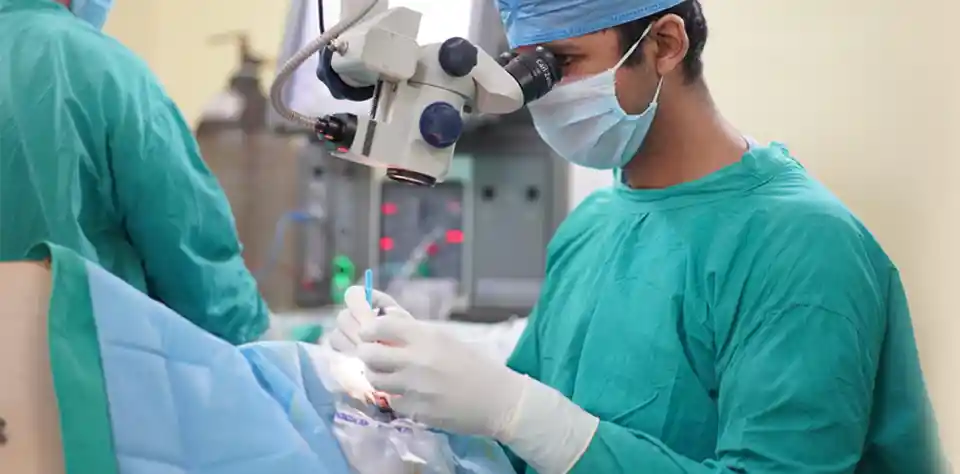
Procedure: It is a commonly performed surgery for vision corrections, and after examining the eyes, LASIK surgeons make this surgery plan by the three main steps-
- A femtosecond laser is used to gently make a flap in the cornea of the inner eye
- Then, tiny tissues of the cornea are reshaped with an excimer laser technique
- Finally, the flap is repositioned to its previous place successfully. The flap will heal without sutures
Benefits:
- About 10-15 minutes is taken for the total process per eye
- Generally, patients regain clear vision within 48 hours, and there is also minimal discomfort
- Corrects a wide range of refractive vision errors( myopia, hyperopia, and astigmatism)
- LASIK surgeons may tailor customised procedures according to the shape of the cornea and refractive error of each patient for better results
Risk & limitations:
- Dry eyes. It usually improves within a month with the prescribed drops from the LASIK specialists
- Night vision problem, but it's a temporary discomfort
- Flap displacement: Doctors advise not to rub the eyes to prevent this
- Temporary vision fluctuation
- This surgery is not suitable for everyone
Eligible: LASIK is suitable for those patients who are
- Adult people with stable eye power
- People with healthy corneas(not thin) in their eyes
- Men and women with no dry eye complications
Know everything about SMILE
Procedure: This is an advanced and minimally invasive process where a femtosecond laser creates a small lens-shaped tissue (lenticule) inside the cornea to reshape it carefully with a tiny incision for correcting the refractive vision.
Benefits:
- About 15-20 minutes are taken for the total process per eye.
- Very effective results for refractive vision errors(Myopia and astigmatism).
- Patients get their vision back within 3-4 days.
- This surgery requires a small incision in the cornea and causes less discomfort.
- It involves less disruption of the corneal nerves, leading to fewer dry eye symptoms.
- No flap is used in this surgery, and it carries a lower risk of flap-related complications.
- Fast healing and good visual outcomes.
Risk & limitations:
- Temporary blurred vision only for a few days
- Slight pain and watering. These complications are cured easily by the treatment of SMILE surgeons
- Light sensitivity or glare at night usually settles with time
- It cannot treat hyperopia or presbyopia
- Visual clarity may take longer to stabilise
- Smile specialists examine the eyes in detail and finalise the surgery plan because this surgery is not suitable for everyone
Eligible: Patients must meet the following criteria for this surgery
- Stable eyesight for the last 6 months
- Myopia should be between -1 and -10, and astigmatism should be less than 3 diopters
- Healthy eyes without pre-existing eye diseases.
Cost of LASIK & SMILE
The expense of both surgeries depends on several important factors, like the type of surgical techniques, eye health(eye power and corneal thickness), complexity of the procedure, infrastructure of the eye clinic, surgeon's experience, and others. Usually, SMILE surgery costs range between ₹1,20,000 and ₹1,50,000, and LASIK surgery cost begins at ₹25,000 only per eye in India.
Which one is safer?
Both these vision correction procedures are considered highly safe and effective when they are performed carefully. In general, SMILE has advantages regarding corneal stability and post-operative risk for its flap-free techniques. On the other hand, LASIK has a longer track record, successful results, and rapid recovery. At last, the safety options of these surgeries depend on individual eye parameters, the experience of surgeons, hospital facilities and pre- and post-operative care.
Differences at a glance
| Subject | LASIK | SMILE |
|---|---|---|
| Diseases | Myopia, hyperopia, astigmatism, presbyopia | Only Myopia and astigmatism |
| Flap | Flap creation required | Flap- free |
| Recovery time | 1-2 days | 3-4 days |
| Dry eye risk | Higher due to nerve disruption | Lower because nerves are preserved |
| Eligibility | suitable for most patients | Better for patients with thin corneal eyes |
| Cost | Generally cheaper | Costlier |
| Availability | Widely available | Only at selected and a few premium eye care centres |
Similarities at a glance
| Subject | LASIK & SMILE |
|---|---|
| Treatment | For vision correction from refractive errors and freedom from glasses and lenses |
| Procedure | Day-care system with minimally invasive procedures |
| Technology | Advanced laser technology |
| OT duration | Completed within 20 minutes |
| Success rate | High |
| Recovery time | Fast recovery within a week |
| Pain and discomfort | Painless and with minimum discomfort during the post-surgery period |
| Care | Pre-operative and post-operative care are needed |
| Recognition | Both are internationally approved and popular |
Which is right for you?
Most of the patients ask, “Which one should I choose, LASIK or SMILE? The answer is simple: Only by consulting an eye surgeon at Renuka Eye Institute, one of the best eye hospitals in Kolkata. The ophthalmologists will guide you with the following factors:
- If you want economical laser surgery with easy access at your location, LASIK is always perfect for you
- Most eye specialists will prefer LASIK because the procedure has been around longer than SMILE
- If you need hyperopia correction with fast recovery, you must choose LASIK
- SMILE will be a great option for those who have an existing dry eye complication
- Patients who need better eye comfort and competitive daily activities must get a SMILE over LASIK
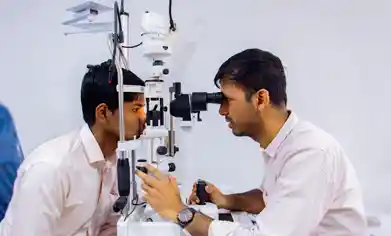
Ultimately, an eye doctor is the only person who can explain the differences between LASIK and SMILE and guide you to choose the right surgical option for correcting your refractive vision disorder. Renuka Eye Institute, an advanced eye care centre in Kolkata, has extensive experience in performing a wide variety of vision correction surgeries, including these two. When you come for your first consultation, doctors will perform a detailed eye test and recommend the best choice for refractive surgery based on the results. Book an appointment today and get all your questions answered regarding SMILE and LASIK.