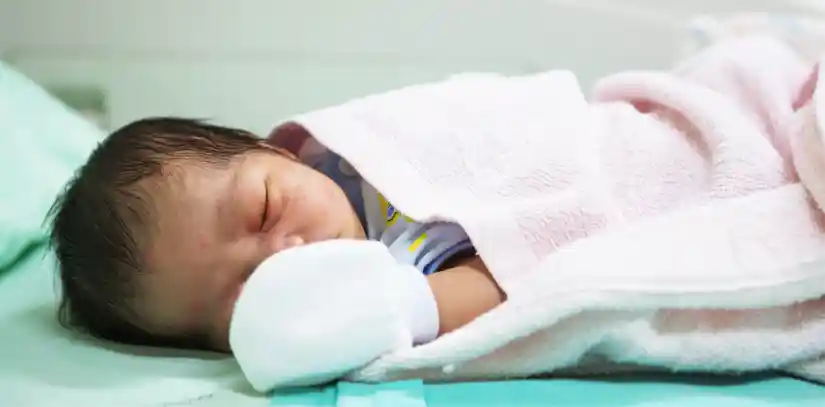
Retinopathy of prematurity is an eye disease that occurs in premature babies. Infants born with a birth weight of 1250 grams or less or babies born at less than 30 weeks of the gestational period are at the highest risk of developing ROP.
A human's vision depends upon his or her retina. ROP can occur in an early born baby because a premature retina layer with further exposure to certain factors that can act as a catalyst for this disease can be very dangerous for the condition called ROP. The retina could develop abnormal blood vessels that could result in internal bleeding of the eye and cause a retinal detachment. Therefore if ROP is not detected, treated and cured, it can cause irreversible loss of vision or even blindness.
The symptoms of retinopathy of prematurity
In retinopathy of prematurity, no early changes related to this disease will be visible with the naked eye. Thus any premature newborn who is considered to be at high risk should be screened and examined by an opthalmologist to reveal any kind of abnormalities.
Treatment of ROP
There are five stages of ROP. The favourable being stage 1, which implies a minimum abnormal growth of the eye vessel. The final stage is the most severe, in which the newborn suffers from a retinal detachment and extensive eye scarring.
All premature babies should go through an eye check-up at least once every year to ensure the development of their vision. The screening and treatment of ROP generally provide the best and suitable outcome in a timely eye check-up.
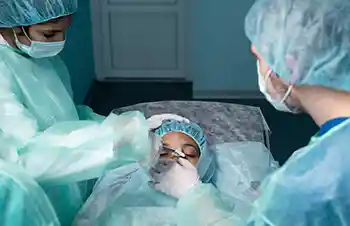
In case of infants with extreme conditions of retinopathy of prematurity have to go through necessary eye surgery or urgent treatments like laser treatments or intravitreal injections.
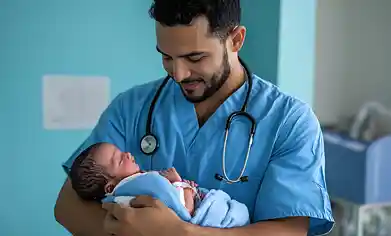
The newborns who will be analyzed to have developed ROP may also require proper treatment for Cataract, glaucoma, cross-eyes and retinal detachment. An early diagnosis and proper ROP treatment in one of the top eye hospital in Kolkata can protect and save your child's vision. Therefore it is essential to get your baby's eye checked by an opthalmologist at an early stage.
Preferred time for eye examination of a premature baby
An opthalmologist should examine a premature baby within 30 days of his or her birth. ROP can progress rapidly; thus, it is crucial to take your baby for proper eye treatment as early as possible for best outcomes and adequate treatment to save your child's vision.
ROP can lead to vision loss or even blindness. Therefore early diagnosis and treatment are very important to prevent any kind of visual impairment of your child. Early screening and treatment of ROP will help your baby not to suffer any eye-related complications. Even If any premature baby is diagnosed not to have any ROP conditions, it is advised and essential to continue follow-up sessions of eye check-up at least once a year by an opthalmologist to ensure safety and development of vision as it should be.