Diabetes is closely linked to eye health, affecting vision alongside various other parts of the body like the kidney . It can lead to serious vision problems or even permanent blindness if not managed promptly. Most people assume that vision complications develop only at an advanced stage of diabetes, but in reality, the first sign can appear long before the serious stage. Both long-term and newly diagnosed diabetic patients should understand the link between diabetes and eye health. It enables them to take proper medical steps, ensuring healthy vision for the future. Renuka Eye Institute, a top-rated eye hospital in Kolkata, is here to guide you in understanding these diseases, their early signs, and prevention.
What is diabetic eye disease?
Diabetes is a chronic condition that causes high blood sugar levels due to the unnatural production and function of insulin. It causes various vision problems, which are called diabetic eye diseases.
How does it damage?
High blood sugar levels damage the tiny blood vessels and tissues inside the eyes, causing swelling, leakage, or even complete closure. This abnormality causes disruption in sending visual signals to the brain and leads to vision changes.
The diseases
- Diabetic Retinopathy: The prominent cause of permanent blindness due to high blood glucose levels, causing haemorrhage in the tissues.
- Diabetic Macular Edema: Happens when retinal blood vessels leak fluid into the macula.
- Cataract: Is commonly developed among elderly people. But diabetic patients are more likely to be affected by it.
- Glaucoma: Is caused by high pressure, impairing the optic nerve. A diabetic patient has double the risk of developing glaucoma compared to a normal person.
Early warning signs
These diseases develop quietly. But if you experience any of the changes listed below, you have to schedule a diabetic eye screening immediately.
- Blurry Vision:is one of the first signs. It is seen at the beginning of diabetes treatment.
- Difficulty in night vision: Many diabetic patients face a decline in night vision.
- Floaters: Small dark spots and strings are seen in the visual field.
- Frequent vision changes: Day-to-day or hour-to-hour changes happen. Prescriptions of eyeglasses may change frequently.
- Faded colour: Sometimes colours appear dull or less vibrant in the vision.
- Vision loss: Temporary vision loss in one eye occurs.
- Eye strain:Feeling of heaviness, pain, dryness, fatigue during reading, and using a digital screen.
- Sensitivity to light: Disruption of the eye’s ability to process light. It increases the sensitivity to light.
The Tests
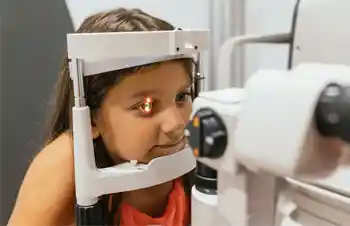
These diseases usually progress silently until vision is noticeably impaired. People with high blood sugar should undergo a comprehensive eye exam regularly. The screenings are:
- Optical coherence tomography
- Fundus photography
- Fluorescein angiography
Treatment
Effective treatment plans depend on the severity and extent of the condition. The following common treatments are applied to stop the progression and preserve the vision:
- Drugs: Eye doctors begin the treatment by using drops and oral medicines to manage the symptoms and monitor the changes.
- Anti- VEGF Injections: Anti-vascular endothelial growth factor is injected into the eye directly by eye experts for severe cases.
- Laser therapy: Diabetic eye disease doctors use laser treatment (photocoagulation) to address the critical conditions.
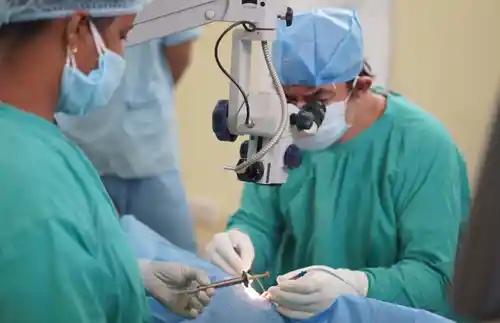
- Surgery: In advanced cases, eye surgeons perform surgeries to preserve vision. Retina specialists perform vitrectomy for diabetic retinopathy and diabetic macular edema. Cataract specialists and glaucoma specialists also perform operations for cataracts and glaucoma.
Prevention
A question is often asked, “How can we prevent diabetes-related eye diseases?” The following ways are simple but effective steps for prevention.
- Control your diabetes according to the prescription of your diabetologists
- Manage blood pressure and cholesterol according to the advice of general physicians
- Eat diabetes-friendly foods
- Practice physical activity
- Use protective eyewear
- Quit smoking and alcohol habits
- Follow the advice of diabetic eye specialists
- Drink sufficient water
- Limit screen time and ensure proper eye rest
- Maintain eye check-ups
What increases the risk?
The probability of developing these diseases increases due to the following risk drivers :
- Poor blood sugar control
- Hypertension and high cholesterol levels
- Smoking and alcohol habits
- Skipping regular eye exams
- Eating diabetes-risk food
- Long exposure to digital screens
- Neglecting proper eye rest
- Compromised eye protection
- Skipping timely consultation with diabetes doctors and eye specialists
Conclusion
You can preserve your vision with proactive medical care. Renuka Eye Institute, one of the best eye hospitals in Kolkata, has a team of some of the leading diabetic eye consultants who have been treating these diseases for a decade. They can collaborate with endocrinologists or general physicians to ensure comprehensive diabetes care, helping protect your vision while supporting overall health. If you’re living with diabetes, book an appointment today and take the first step toward healthier vision with our top eye specialists.