
Diabetes And Eyes
Diabetes is a chronic disease that occurs when the body loses the ability to produce and use the insulin hormone, which effectively controls blood sugar levels. High sugar levels for a long time can cause various problems in the body.
It promotes different kinds of eye diseases. Diabetic Retinopathy is one of those serious eye complications.
What is Diabetic Retinopathy?
A vital eye disease which affects the vision of people with diabetes mellitus. It interrupts the clear vision of diabetic people by damaging the tiny blood vessels of the retina in the eyes.
Millions of people face complete blindness due to the effects of this critical disease in the world.
How does Diabetic Retinopathy grow?
It occurs when high blood sugar levels damage the blood vessels of the retina by causing them to leak and swell.
The retina, which is the layer of tissue at the back of the eyes, changes light that enters the eyes and sends its signal to the brain. This abnormality in the eyes causes visual distortion and permanent vision loss.
Stages of Diabetes Related Retinopathy
This eye complication has two different stages. They are:-
- Nonproliferative diabetes-related retinopathy (NPDR):
- Proliferative diabetes-related retinopathy (PDR):
This is the early stage with mild symptoms. Here, blood vessels become weak, which causes swelling and leakage in the retinal nerves. Then, it results in vision loss.
This is an advanced and critical stage. When abnormal and new small vessels, which grow on the retinal surface, cause leakage and bleeding into the vitreous. This complication needs immediate treatment because it can lead to permanent blindness.
Symptoms
In most cases, this vision disorder has no definite symptoms until it becomes severe and critical for recovery. The symptoms are:
- Eye pain
- Red eyes
- Halos around lights
- Loss of peripheral vision
- Blurred vision
- Night vision trouble
- Eye floaters
- Fluctuating vision
Related complications
Several other vision conditions can be associated with untreated diabetic retinopathy. Other visual disorders are:
- Diabetic macular edema (DME):
- Retinal detachment:
- Cataracts:
- Glaucoma:
It develops when retinal blood vessels leak fluid into the macula in the inner eye and cause cloudy vision.
This medical emergency can happen when the retina separates from the back of the eyes due to abnormal growth of new fragile vessels, and it causes vision problems.
Untreated Diabetic retinopathy can enhance the risk of developing cataracts due to damage to the lenses in the eyes, and causes blurry vision.
Diabetic retinopathy can cause Neovascular Glaucoma, a secondary and aggressive form of glaucoma. This disorder occurs when abnormal blood vessels grow out of the retina and block fluid draining out of the eye, causing permanent blindness.
Diagnosis
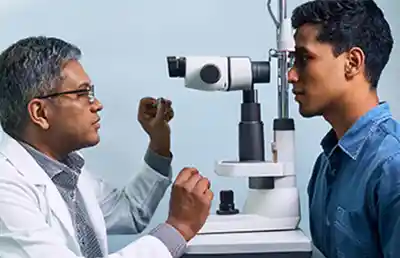
Early detection is crucial for effective treatment because this complication remains asymptomatic at the early stage. Usually, ophthalmologists perform the following diabetic retinopathy screenings to diagnose the disease.
- Ophthalmoscopy
- Visual acuity test
- Tonometry
- Pupil dilation
- Fluorescein angiography
- Optical coherence tomograph
Treatment & therapy
Though the treatment for diabetic retinopathy is complicated and difficult, effective eye care by an eye specialist is essential to preserve useful vision from getting worse. The chronological common eye care process is-
- Primarily, a retina specialist advises regular eye testing to monitor the progression of the complication.
- Later, the diabetic retinopathy doctor starts effective treatment when the disease reaches a stage where the patient's vision is at risk for blindness. The effective treatments include:-
Anti-VEGF Injections:
In this medical procedure, diabetic retinopathy specialists directly inject Anti-VEGF(vascular endothelial growth factor) into the vitreous of the eyes to control the growth of the disease.
Laser Therapy (Photocoagulation):
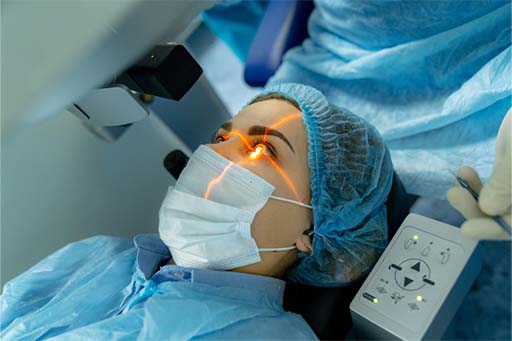
Retina specialists often use laser therapy to prevent the leakage of blood vessels by reducing swelling in the retina. It is known as photocoagulation in medical science.
Eye surgery(Vitrectomy):
Eye surgeons recommend a surgery named Vitrectomy when heavy bleeding and lots of scars happen in the retinal part of the eyes. Here, the diabetic retinopathy surgery recovery time is not very long.
Risk factors
Several risk factors can increase the chance of developing diabetic retinopathy or make it worse. They are-
- Having diabetes for a long time
- High blood pressure and cholesterol
- Pregnancy
- Smoking and alcohol habits
- No regular eye checkup
Prevention
Prevention plays a vital role in protecting the sight from this dangerous disease because its treatment is often complex and prolonged. Following preventive care should be maintained-
- Control diabetes
- Check cholesterol and blood pressure levels
- Follow a heart-healthy diet
- Practise physical activity daily
- Maintain regular eye exams
- Quit smoking and alcohol habits
- Eye care during pregnancy
- Follow eye specialist's advice and medication for retinopathy
Conclusion
Diabetic Retinopathy is a severe eye disease which can lead to irreversible vision loss if not managed properly. Early detection, proper prevention and effective treatment are the powerful tools in combating this vision-threatening complication. Renuka Eye Institute is one of the best eye centres in Kolkata for Diabetic Retinopathy treatment, for its experienced and responsible team, which prioritises early intervention and comprehensive eye care.
At our diabetic retinopathy clinic, an expert team guides every patient at every step from prevention to treatment by providing dedicated and personalised vision care. If you or your loved ones are experiencing any symptoms related to this serious disease, schedule an eye screening appointment immediately to take the first step towards safeguarding the vision you love.