Nipah Virus & Eyes: What you need to know
Recent news has confirmed that the dangerous Nipah Virus (NiV) has broken out in certain parts of India, particularly in West Bengal and Kerala. It has raised concerns among people, like the Covid pandemic. As this virus infection is rare and serious with a high mortality rate, it requires early detection, immediate treatment, preventive care, and public awareness. Renuka Eye Institute, the best eye hospital in Kolkata, believes that awareness is the first line of defence. That is why it is our moral duty to educate people about possible health risks during this outbreak and the importance of safeguarding overall health, including the eyes.
Understanding Nipah Virus
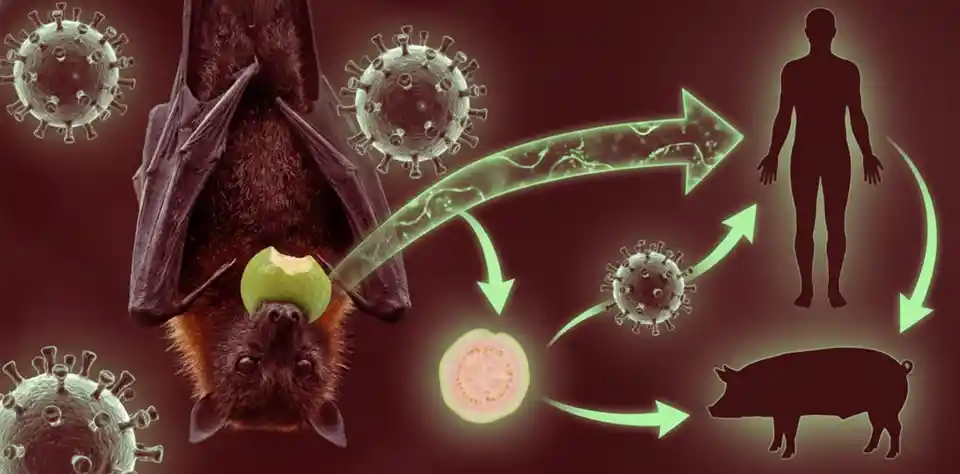
This virus is a zoonotic virus that can spread from one animal to another and to human beings, and causes a deadly disease. The fatality rate of this infection is estimated at 40% to 75%. It mainly impacts the respiratory and nervous systems of the human body and leads to life-threatening complications like severe encephalitis and coma. The viral infections can also have indirect effects on other organs of the body, like the eyes.
How does the Nipah virus transmit?
- Direct contact with infected animals. Fruit bats (natural carriers), pigs, birds, and others.
- Eating green fruits, partially eaten or contaminated by infected animals.
- Drinking raw date palm sap and palm sap (popularly known as Khejur and Tal ros in Bengal) contaminated by infected animals’ saliva and urine.
- It's highly contagious and slightly air-borne. Coming in close contact with infected patients (through body fluids, respiratory droplets, and sharing items).
Symptoms of Nipah virus infections
- Fever and pain
- Headache and vomiting
- Sore throat and cough
- Vision disorder
- Breathing problem
How does the Nipah virus affect the eyes?
The patients often experience vision problems caused by the impact on the brain and cranial nerves. Actually, the virus attacks the lining of blood vessels and causes inflammation and blockage in the tiny tissues in the eyes. These vision issues can lead to long-term eye diseases or permanent blindness if not treated promptly.
Eye diseases caused by the Nipah virus
-
Acute Phase Complications:During initial illness, patients may experience
- Blurred Vision- It's cloudy or foggy eyesight
- Nystagmus- Irregular and rapid eye movement
- Diplopia- Double vision
- Abnormality in Pupillary Reflexes- Pinpoint pupils caused by infections in the brain stem
- Dry eyes- Dryness due to dehydration
-
Serious Complications: These happen from inflammation of blood vessels in the eyes
- Retinal Inflammation- Direct effect on retinal tissues and causes lesions
- Retinal Artery Occlusion- A stroke in the eyes due to blockage in the retina
- Transient Blindness- Temporary loss of sight during the peak of the encephalitis phase
-
Long-term Complications: These happen from inflammation of blood vessels in the eyes
- Persistent Palsy- Permanent double vision due to nerve damage
- Optic Atrophy- Permanent loss of vision from high pressure in the brain
- Horner’s Syndrome- A dropped eyelid and a constricted pupil, resulting from nerve damage
Test for Nipah virus infection
General:
Early detection is very crucial for effective treatment because this disease can be deadly and highly infectious. This infection can only be confirmed through specialised tests such as RT-PCR or Antibody tests with nasal swab, blood, urine, and CSF samples.
Eye:
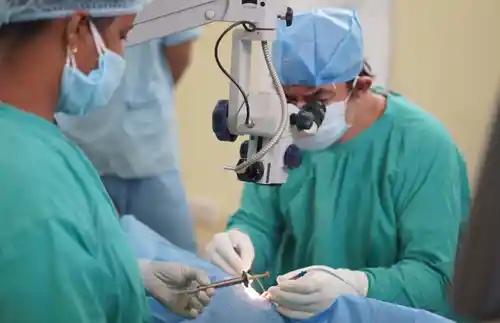
Eye tests are also important for preventing temporary or long-term visual damage and coordinating care with physicians and neurologists in the treatment.Here, the following eye exams are done by an eye expert.
- Visual Acuity Test
- Fundus Examination
- Slit Lamp Examination
- Eye Movement Tests
- Visual Field Test
- Optical Coherence Tomography
Treatment for Nipah virus Diseases
General:
According to medical science, there is no particular medication or vaccine to cure this infection easily. The present treatment is mainly supportive care, managing symptoms to reduce complications and improve survival. Here, early hospitalisation, isolation and supportive treatment significantly improve the outcomes.
Eye:
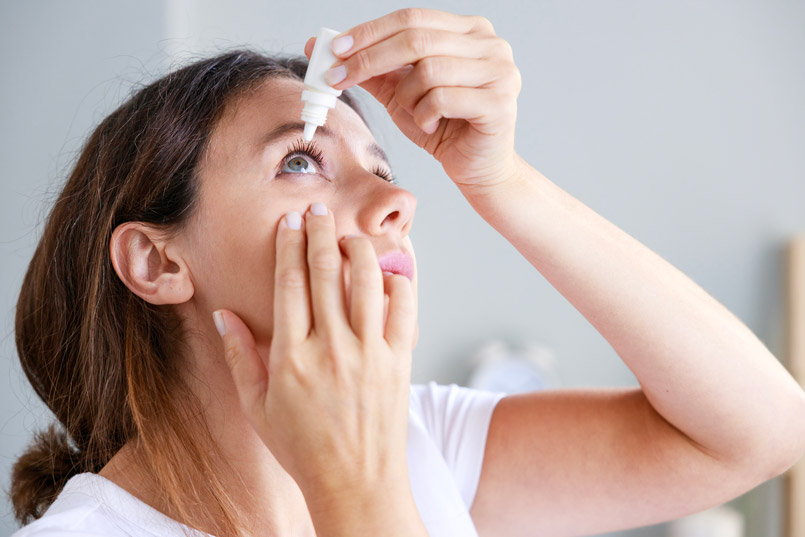
The eye specialist also provides supportive care to save vision from infections by managing symptoms with drops, oral pills, glasses, therapies and eye exercises. In severe cases, ophthalmologists work closely with general physicians and neurologists to address the vision complications for full recovery.
Who is at risk for Nipah Virus Infection?
- Farmers and Livestock handlers
- Forest workers and Wildlife personnel
- Health care workers
- Consumer of contaminated foods and drinks
- Family members of infected patients
- Elderly and Immunocompromised persons
Prevention of the Nipah virus
Though the treatment for this infection is limited, prevention is the best weapon.
- Most people commonly ask, " Is it safe to drink date palm sap (khejur ros) or eat jaggery (khejur or nalen gur) during a Nipah virus outbreak?" According to the doctors, drinking raw date palm sap can increase the risk of the Nipah virus infection, as it may be contaminated by fruit bats. But properly boiled and hygienically prepared jaggery is always safe because boiling the sap at high temperature kills the virus.So, say no to raw date palm sap and palm sap.
- Another frequently asked question is " Can eating litchi fruit cause Nipah virus infection?. The answer is " Litchi itself does not cause this virus infection, and not only Litchi, but any fruits that are damaged or exposed to bats may carry a risk of this transmission. So, avoid eating partially eaten, bitten or fallen fruits. Wash every green fruit and vegetable in hot water before eating.
- Stay away from infected animals and their litters. Protect your trees from bats by netting, and keep your pets away from outside animals.
- Infected persons should be isolated or quarantined and must contact the hospital. Avoid direct physical contact with them and their items.
- Health workers and caregivers must use protective equipment (PPE kits, gloves, masks and others).
- Maintain personal hygiene and safety (wash hands with soap and use sanitiser and masks).
- Drink enough water for hydration and nutritious food for boosting immunity.
- Don’t avoid any symptoms. Consult with general physicians as well as eye specialists immediately.
When to Visit an Eye Doctor for Nipah Infection?
Immediate consultation with an ophthalmologist is needed if you are gradually recovering from this infection and notice:
- Red or irritated eyes
- Dryness and watering in the eyes
- Eye strain due to fever and fatigue
- Foggy vision
- Sensitivity to light
- Pain and headache
- Difficulty in eye movement
- Multiple vision
- Sudden vision changes

Managing this critical virus infection requires extensive care and medical collaboration with neurologists, general physicians, pulmonologists and ophthalmologists. Highly qualified and experienced eye specialists of Renuka Eye Institute, one of the top eye care centres in Kolkata, work closely with other experts to address both systemic illness and potential impacts on vision to provide the care that is truly complete .